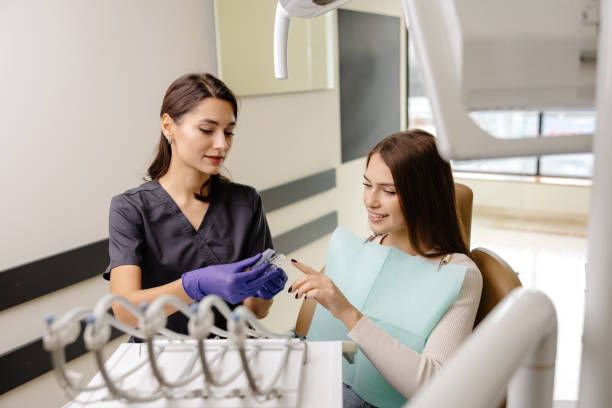
Thinking about fixing crooked teeth? You may be asking, “How long does Invisalign take?” Invisalign in North Edmonton is a clear and straightforward way to straighten your teeth, but the time it takes can vary for each individual. Understanding how it works and what happens during treatment can help you prepare for a smooth and confident smile journey.
How Invisalign Works and How Long the Process Takes
Invisalign uses clear, custom-made trays that slowly move your teeth into the right position. You wear each tray for about 1–2 weeks, then switch to the next one. Little by little, your teeth shift, giving you a straighter and healthier smile.
The total duration depends on factors like:
- The complexity of your bite
- How much do your teeth need to move
- Your consistency in wearing the aligners
On average, most patients see noticeable changes within 6 to 12 months, though some minor adjustments may take longer.
How Long Does It Take to See Results with Invisalign?
Many people want to know when they will start seeing changes in their teeth. Here is a simple timeline:
- First 2 weeks: You’ll notice slight changes and start to get comfortable with the aligners.
- 1–3 months: Some of your teeth will begin to look straighter.
- 3–6 months: You’ll notice a clear improvement in your whole smile.
- 6–12 months: Your smile will begin to change, and you’ll be close to achieving your final results.
Ensure you wear your aligners for 20–22 hours every day. It helps your treatment stay on schedule.
How Long to Wear Invisalign Aligners for the Finest Results
For Invisalign to work effectively, it’s important to follow these steps:
- Wear aligners for 20-22 hours daily.
- Remove only while eating, drinking, brushing, or flossing.
- Attend regular check-ups with your dentist in North Edmonton.
- Switch to the next aligner on schedule.
Skipping hours or delaying aligner changes can slow down your progress and extend your treatment timeline.
How to Speed Up Your Invisalign Treatment Safely
If you want to see faster results, consider these safe strategies:
- Follow your dentist’s instructions carefully.
- Use Invisalign-approved chewies to help aligners fit snugly.
- Maintain good oral hygiene to prevent interruptions from dental issues.
- Avoid skipping aligner changes unless advised to do so by a dentist near you.
Remember, never attempt shortcuts without professional guidance, as it could damage your teeth or bite.
Key Factors That Affect Invisalign Duration
Several elements influence how long Invisalign will take:
| Factor | Impact on Timeline |
| Severity of misalignment | More complex cases take longer |
| Patient compliance | Consistent wear speeds up results |
| Age & dental health | Younger patients with healthy teeth often progress faster |
| Treatment plan adjustments | Mid-treatment refinements can extend duration slightly |
Unique Tips for a Smooth Invisalign Journey
- Take photos to see your progress and stay motivated.
- Put your aligners in their case when you’re not wearing them.
- Drink plenty of water to avoid a dry mouth.
- Try to avoid eating or drinking things that can stain your clear aligners.
- Go to all your dentist appointments so your treatment doesn’t get delayed
Ready to Transform Your Smile?
Want to see how Invisalign can straighten your smile? Book a visit at Beverly Heights Dental to get simple, clear advice about your treatment. Take the first step toward a confident, healthy smile that lasts a long time!
FAQs
How long does it take to see results with Invisalign?
You can notice minor changes within the first few weeks, but full results usually appear between 6 and 12 months.
Can I speed up my Invisalign treatment?
Yes, following your dentist’s instructions, wearing aligners consistently, and using chewies can help safely speed up your progress.
Do I need to wear Invisalign all day?
For optimal results, wear your aligners 20-22 hours a day and remove them only for eating, drinking, and oral hygiene.
Does Invisalign hurt?
You may feel mild pressure when switching to new aligners, but it’s normal and a sign that your teeth are moving correctly.
